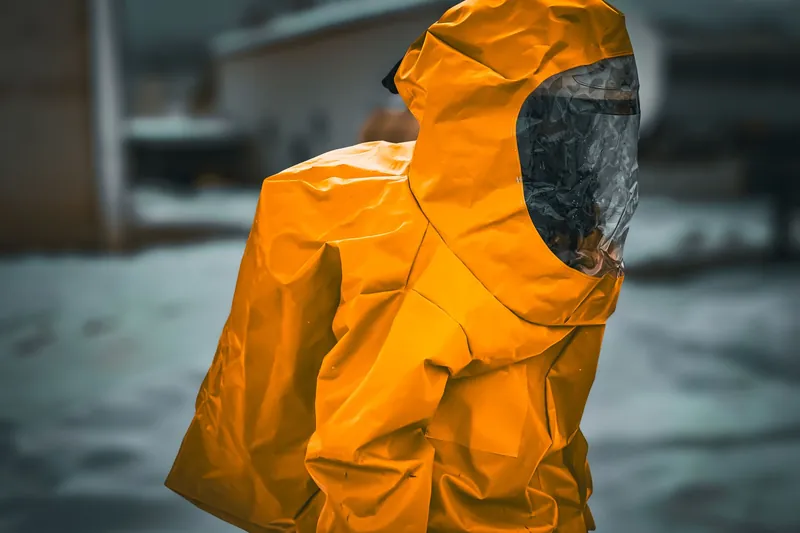
Biohazard Cleanup
Removal and disinfection of blood, body fluids and other infectious material from any property.
See biohazard cleanupWhen blood, bodily fluids, sewage or another biological hazard makes a space unsafe, keep people away and get clear next steps right away. Cleanup can begin after law enforcement or other officials release the affected area.
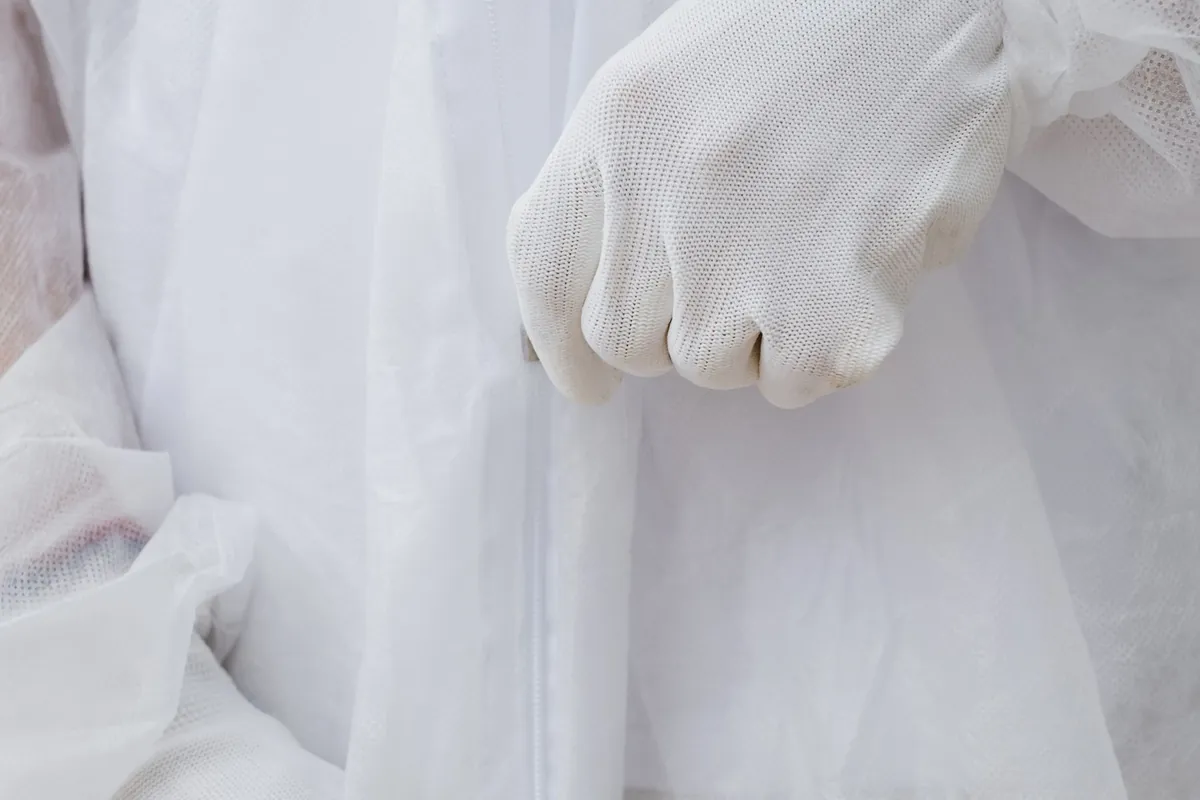
Emergency biohazard cleanup urgently contains biological contamination before its removal, cleaning and disinfection. It covers human waste, bodily fluids, blood and similar hazards that could cause injury or illness through exposure.
The need may follow a trauma scene, unattended death, crime scene, sewage backup, accident or serious blood spill. An emergency cleanup service focuses first on keeping the contamination from spreading into surrounding areas. Cleanup technicians identify what is affected, isolate the space and plan the safest order of work.
Visible dirt may come off with ordinary cleaning, but biohazard remediation requires more. Workers use protective equipment and carefully remove contaminated material. They clean surfaces, apply an EPA-registered disinfectant for the entire label contact time, package hazardous waste, address odor and complete a final inspection. This work helps the space progress toward clean, normal use.
You hear what will be cleaned, what may need removal and what affects cost before the cleanup process moves forward.
Waste records, images and project notes can help either an insurance company or a property manager understand biohazard remediation.
Day or night, you can describe what occurred and receive immediate safety guidance while scene release, access and cleaning requirements are evaluated.
The cleanup crew arrives in unmarked vehicles. Cleanup can remain separate and private from visitors, neighbors and portions of the building outside the affected area.
A serious health risk from biological material, or the chance that it will spread across a workplace, vehicle or home, can make emergency biohazard cleaning necessary. Common circumstances are:
On walls, furniture or flooring, blood may soak into porous layers and joints. Stay out of the spill and keep other people at a distance.
Fluid cleanup, odor control and careful handling of nearby possessions may be needed when time passed before a death was found.
An accident, suicide or violent event can leave affected areas, whether one space or several, with bodily fluids and material damage.
A sewage backup contains water classified as Category 3 black water. Affected floors, contents and walls may have to be dried, cleaned or taken out.
Your first job is to prevent contact and avoid spreading the contamination. Take these steps while arranging professional cleanup:
Call (888) 440-9227Emergency work does not have its own published price. Fixr's general biohazard figures are the closest reference: $3,000 to $5,000 for a typical job, about $1,500 at the low end and $25,000 or more for large ones. Urgency, the type of contamination and the area involved can all move your total. Treat these as context only.
These ranges come from published national cost guides, not from a site visit. The price for your property is set after the on-site assessment, and you hear it before work starts.
Ask about cost: (888) 440-9227Biohazard cleanup may be covered by certain homeowners, commercial or renters policies after a sudden event that qualifies for coverage. The policy terms, cause, deductible and limits determine whether coverage applies.
Victims of violent crime can ask their judicial district's Crime Victim Compensation program whether cleanup costs can be included in a compensation claim, since several district programs list crime scene cleanup. Insurance is usually checked first.
Explain the event to the insurance company, then ask if the claim includes cleanup, material removal, odor work and later restoration.
If you rent, report the situation to your property manager or landlord. The cause and place of contamination, along with lease and policy terms, can determine responsibility.
Retain the invoices, photos, waste paperwork, cleanup details, release of the scene and claim number. Confirm the adjuster's documentation requirements prior to any work that changes the scene.
A controlled sequence keeps affected material from being carried into uncontaminated spaces during an emergency response. Although each situation has different needs, cleanup generally moves through the steps below:
Cleanup technicians determine the contamination type and trace the affected area while noting materials, entry limits and current safety concerns.
Barriers separate the work zone from unaffected rooms. Crews select personal protection based on the job duties and type of exposure.
Fluids and contaminated debris are collected without spreading them. Items that cannot be thoroughly cleaned are carefully removed section by section.
Visible soil is removed before disinfection. Cleaning first prevents debris from blocking direct contact between the disinfectant and surface.
For cleanable areas, crews use an EPA-registered disinfectant and maintain surface wetness throughout the labeled contact time.
Sharps and contaminated materials receive secure containment, then move as required by medical or regulated waste standards.
Following removal of the source, particles and odor along nearby air routes and inside the room can be addressed with air scrubbers or other suitable treatment.
The work area is checked for remaining contamination. Photos, scope notes and waste records can support communication with property owners and insurance companies.

Call at any time. An emergency 24/7 biohazard cleanup specialist answers, explains the steps and agrees a start time with you.
Serious health risks can come from sewage, sharps, blood and body fluids, regardless of whether the area seems dry or limited in size.
You may feel upset by a sudden biohazard, especially after someone dies or a traumatic event occurs. You can stay away from the scene and ask a trusted person to coordinate access.
Bodily fluids may move beneath baseboards or absorb into furniture, drywall, subfloor, carpet and its padding. Cleaning only what you see might leave contamination underneath.
Blood may carry hepatitis B, hepatitis C or HIV. The CDC says hepatitis B can survive on surfaces for at least seven days, so dried blood still requires care.
Can you clean it yourself? Cleaning a few drops of fresh blood from non-porous, hard material may be possible with single-use gloves and disinfectant registered by the EPA, applied for the full labeled contact time. Seek professional cleanup when the source is unknown, the spill reached porous material, sharps are present or you cannot see its full boundary.
No single cleanup timeline applies to every situation. The schedule varies with the kind of contamination, affected area count and materials involved, along with any fluid penetration into hidden layers and the time at which authorities release the scene.
| Scene | Typical time on site |
|---|---|
| Minor surface contamination on non-porous material | May need one work period following the initial assessment |
| A single space requiring removal of absorbent material | May require several stages for removal, cleaning and inspection |
| More than one room, building material impact or odor | May take several work sessions before the restoration phase can begin |
Finding the contaminated source and taking it out is the starting point for odor removal. Surface sprays or fragrance will not resolve fluid beneath floors, within furniture or behind walls. Before treating the air, those affected materials must either be removed or cleaned.
While an area is under control, HEPA air scrubbers can remove particles from the air. Suitable spaces that remain occupied may allow hydroxyl treatment, but ozone calls for a vacant controlled area and cautious reentry. Choosing a method requires looking at the contamination source, air routes and impacted materials. HVAC openings also need checking if odor might have traveled to adjacent areas.
When employees could contact blood, the OSHA Bloodborne Pathogens Standard requires workplace measures for exposure control, protective equipment, training and associated procedures.
A disinfectant must be suitable for the target pathogen and surface. The surface stays wet for the contact time printed on the product label.
Colorado treats waste that can cause infectious disease, including human blood and body fluids, as infectious waste. The Colorado Department of Public Health and Environment's medical waste rules apply to its handling, so it should not go in household trash.
Colorado has no statewide medical examiner. Death investigation is county-based, led mostly by elected county coroners, with a few counties using a medical examiner or coroner. Cleanup starts after police or the coroner release the scene.
The full emergency 24/7 biohazard cleanup guide covers what is cleaned or removed, odor and air quality work, and the rules that apply in Colorado.
Read the full emergency 24/7 biohazard cleanup guide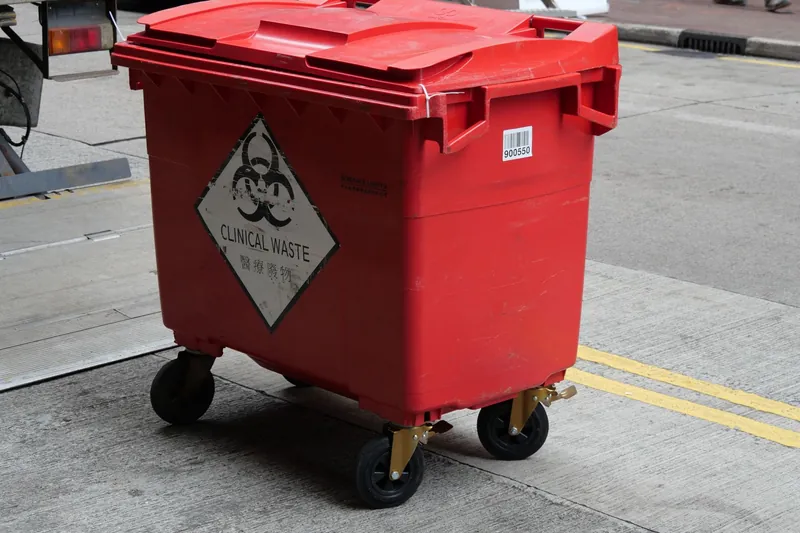
Local housing, population and access details can shape containment, access and cleanup planning.
Rental housing represents 0.8% of households here, so cleanup information should still explain when a landlord must approve structural work.
Because the median home dates to 1982, cleanup plans should distinguish washable surfaces from absorbent carpet, padding, and wallboard.
About 38 older residents live alone in Foxfield, equal to 20.2% of seniors and still relevant to welfare planning.
At 99.6% single-family housing, cleanup boundaries may include attached garages, utility rooms, or storage areas beyond the main room.
During your call, ask whether cleanup is available in surrounding communities and ZIP codes.
Removal and disinfection of blood, body fluids and other infectious material from any property.
See biohazard cleanup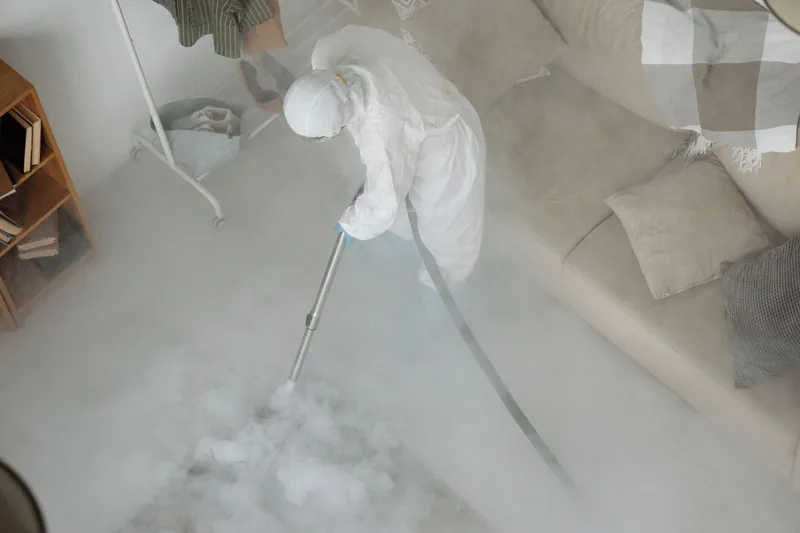
Rooms, surfaces and air receive complete decontamination following infectious or hazardous exposure.
See biohazard decontamination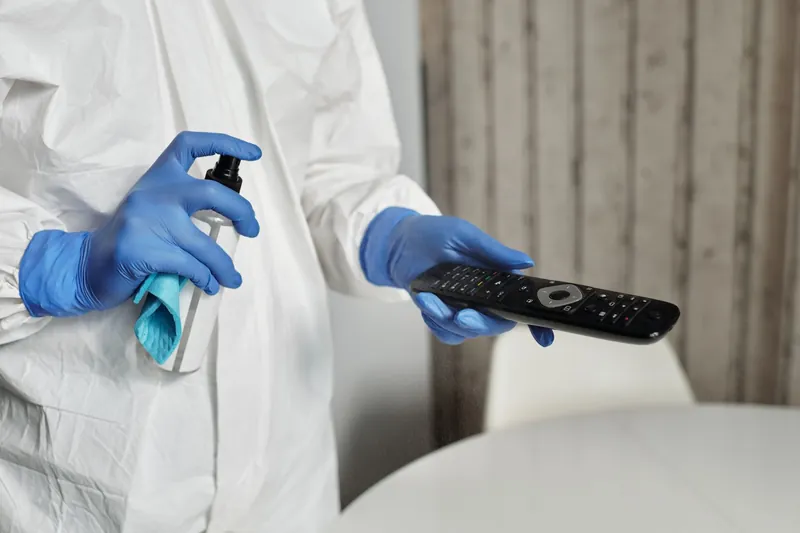
A contaminated space is restored to safe use through biological remediation and contaminant removal.
See biohazard remediation
Carpet, solid floors, walls and furnishings receive blood cleanup that includes safe disposal.
See blood cleanup
Following accidents, violence or injuries, trauma scene cleanup addresses the affected area.
See trauma scene cleanup
Crime scene cleaning after police release the property, from blood to odor.
See crime scene cleanup
Cleanup when a death went unnoticed for days, with decomposition and odor control.
See unattended death cleanup
Sewage cleanup removes Category 3 black water from raw sewage, then disinfects and dries the area.
See raw sewage cleanupYes, if the biohazard scene is the source of the odor. Removing the source is the first step, since adding scent does not resolve the underlying problem. Remaining smells can receive air treatment once contaminated materials are cleaned or taken out. The inspection may extend to surrounding rooms and HVAC access points where air could have traveled.
Using gloves and disinfectant registered by the EPA for the entire contact time may make a few fresh drops of your blood manageable on sealed hard material. Leave cleanup to professionals if you cannot identify the source or full spill area, or when sharp objects or porous surfaces are involved.
When blood, sewage, bodily fluids, human waste or another biological contaminant impacts a property, emergency biohazard cleanup means urgent cleaning and disinfection. The work includes containment, removal of materials that cannot be cleaned, disinfection, waste disposal and odor treatment. A controlled area must first receive release from police or another authority.
Yes. Treat blood that has dried as material that may remain infectious. At least seven days of surface survival is possible for hepatitis B, according to the CDC. Leave the material undisturbed rather than using a scraper, broom or vacuum that could spread it. For contamination beyond one small surface mark, keep people back and seek proper cleaning.
Blood, certain bodily fluids, human waste, sharps, sewage and materials contaminated by them can be biohazards. Risk depends on the source, amount, surface and possible route of exposure. When you do not know the source or full boundary, keep people away and seek guidance before touching or cleaning anything.
Leave the spill area and restrict entry, calling 911 when medical assistance is needed. Avoid contact with blood and sharp objects, do not reenter a controlled scene before law enforcement releases it, use the correct workplace exposure channel and organize cleanup. Do not walk through the affected area or start household cleaning.
Crews carry out respectful, discreet emergency 24/7 biohazard cleanup, arrive in unmarked vehicles and take calls 24 hours a day.